How Preschool Teachers Spot Learning Differences Before Anyone Else
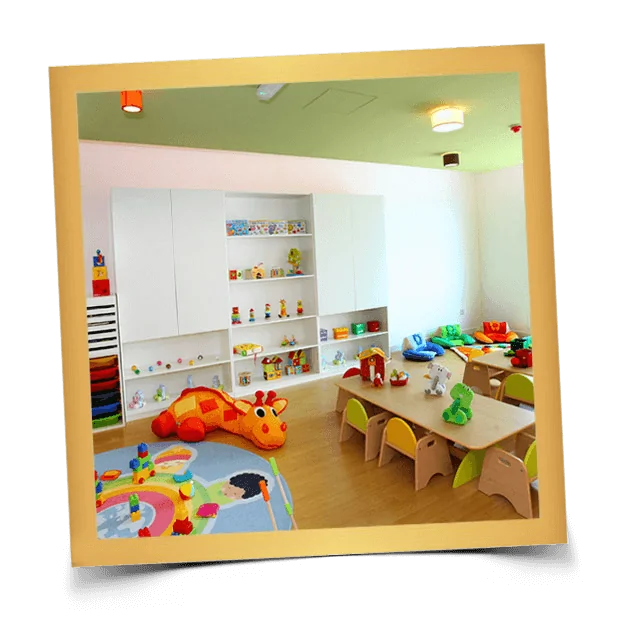
As a parent, you want the best for your child and may worry if they’re meeting developmental milestones. Preschool teachers are often the first to spot potential learning differences in young children. Because they work closely with kids aged 3-5 daily, they are well-equipped to identify these differences, which is why choosing the best preschool in Dubai is so important.
Spotting social struggles:
Some children prefer playing by themselves, which is completely fine. However, a teacher notices when a child wants to join a group but lacks the tools to do so. They watch how kids share toys or wait for a turn. If a child consistently avoids eye contact or struggles to interact with friends, the teacher takes note. These social cues often indicate unique learning needs early on.
Watching language skills:
Speech develops at a different pace for every child in a classroom. Teachers listen closely during story circle and group discussions to track progress. They notice if a child cannot follow simple instructions or struggles to express basic ideas. A child might use gestures instead of words to ask for milk or toys. These language gaps become very clear when compared with peers of the exact same age.
Checking motor control:
Playgrounds and art tables act as great testing areas for physical growth. Teachers watch how kids hold crayons, use safety scissors, or button up their winter coats. They also observe big movements like jumping, balancing on one foot, or catching a large ball. When a child constantly drops items or avoids physical games, it might show a need for extra physical support.
Tracking focus levels:
Sitting still is hard for any young child during a long day. Even so, teachers know what amount of focus is normal for four-year-olds. They notice when a child gets distracted every few seconds or cannot finish a quick two-minute task. If a child constantly wanders away during group reading time, the teacher looks closer. This low focus can signal different learning styles that need special attention.
Observing emotional changes:
Big feelings are common in early childhood, but some patterns stand out. Teachers watch how kids handle small disappointments, like a dropped crayon or a missed turn. A child might cry for a long time over a tiny change in the daily routine. Rapid mood shifts or deep frustration during simple tasks can show that a child is struggling to process their environment.