Why Some Engineering Companies Thrive In Recessions While Others Collapse
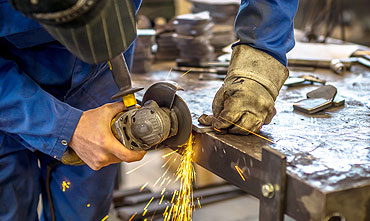
When money gets tight and projects disappear, most engineering firms start to shake. But a few stand firm, even grow. The difference isn’t luck. It’s a set of clear habits. Some leaders build teams that bend but never break. Others freeze, then fall.
This truth holds across markets, including for well-run engineering companies in Dubai, where boom and bust cycles test real grit every few years.
Focus on cash, not awards:
Winning a big project feels good, but cash in the bank keeps the lights on. Thriving firms chase quick payments, short contracts, and low-risk work. They refuse to tie up money in long-term materials or slow clients. When recession hits, they have dry powder. Collapsing firms take any award, then drown in unpaid bills.
Trim waste early:
Strong companies cut unnecessary costs before trouble starts. They rent gear instead of buying. They share office space. They keep only the best workers. Weak firms wait too long, then fire in panic. That destroys trust and skill. Smart trimming saves both.
Stay close to old clients:
A past client who trusts you brings repeat work. Thriving firms call, visit, and solve small problems for free. When new projects dry up, old friends remember. Collapsing firms chase strangers and ignore their own network. That is a losing game.
Build a flexible crew:
Top engineering firms use a small core team plus freelancers. When work drops, they reduce outside help without firing full staff. When work returns, they scale up fast. Rigid firms carry too many full-timers and collapse under payroll weight.
Keep marketing alive:
During a recession, most firms go silent. That is a mistake. Thriving companies keep sending emails, posting updates, and meeting people. When the economy turns, clients remember who stayed visible. Silent firms vanish from memory and never recover.
Diversify income streams:
Don’t rely on one type of project or one customer. Thriving firms mix maintenance, small repairs, consulting, and inspections. Recession often kills big builds but boosts repair work. Collapsing firms put all eggs in one basket and watch it break.
A recession separates real builders from paper giants. The firms that survive do not panic. They act early, protect cash, cherish old clients, stay lean, keep talking, and spread their risk. That is the only path to standing tall when the storm hits.